Recipes
Two kitchen jobs where the blade changes the result: carving a cooked steak and dicing an onion for a sauté. Each names the knife that does the job and says why.
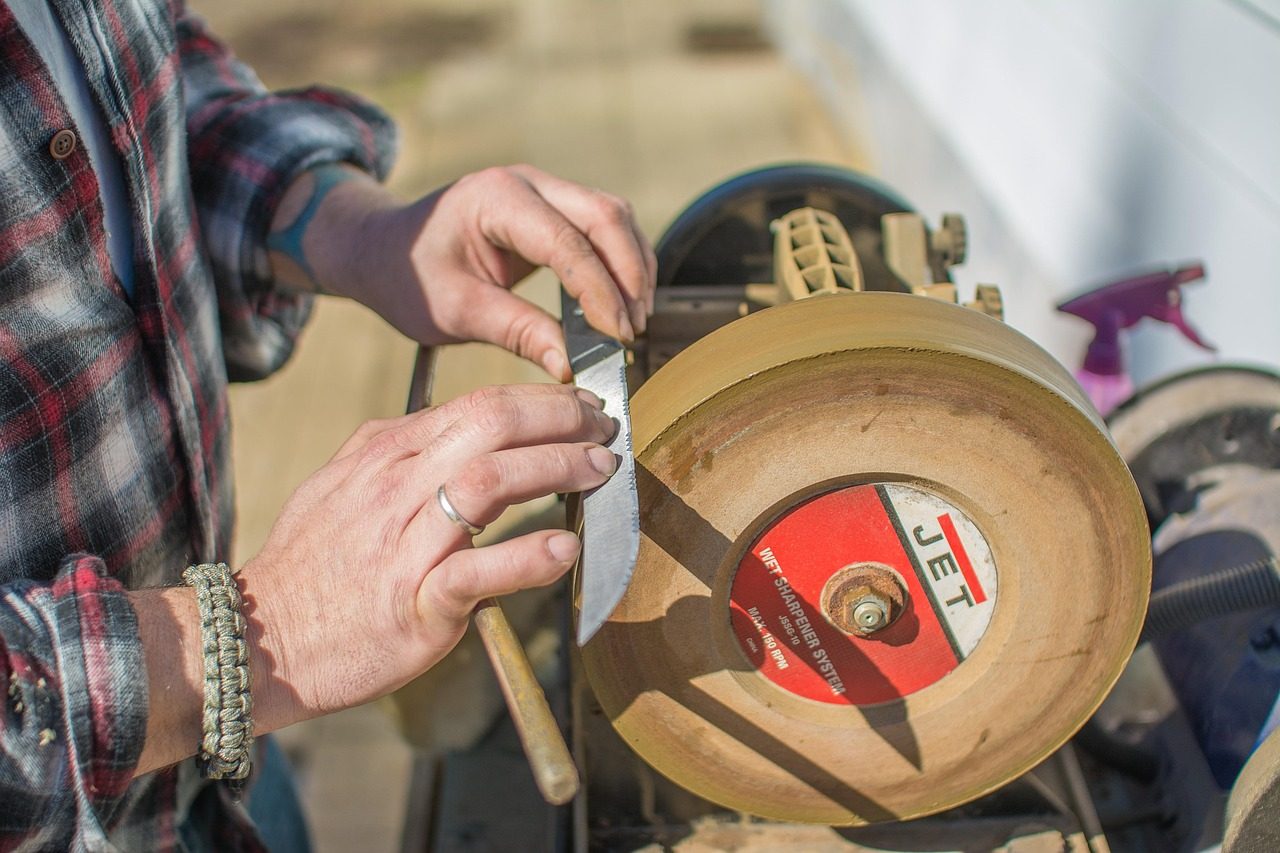
Where the blade changes the plate
A recipe can be sound and still go wrong at the board. The two jobs on this page are ones where the knife does more of the work than the pan, so the blade you pick matters. Each one names the knife from a set that does the job and says why. A step that would read the same with any knife is left out.
A dull blade does not just make the job harder. It changes what ends up on the plate.
The knife is the first decision and the last check. A sharp edge parts the outer crust of a steak cleanly, so the juices stay in the meat rather than spreading over the board. A knife that drags tears the surface, and the difference shows on the plate before anyone tastes it. Check the edge before you start, every time, and the rest of the recipe has a fair chance.
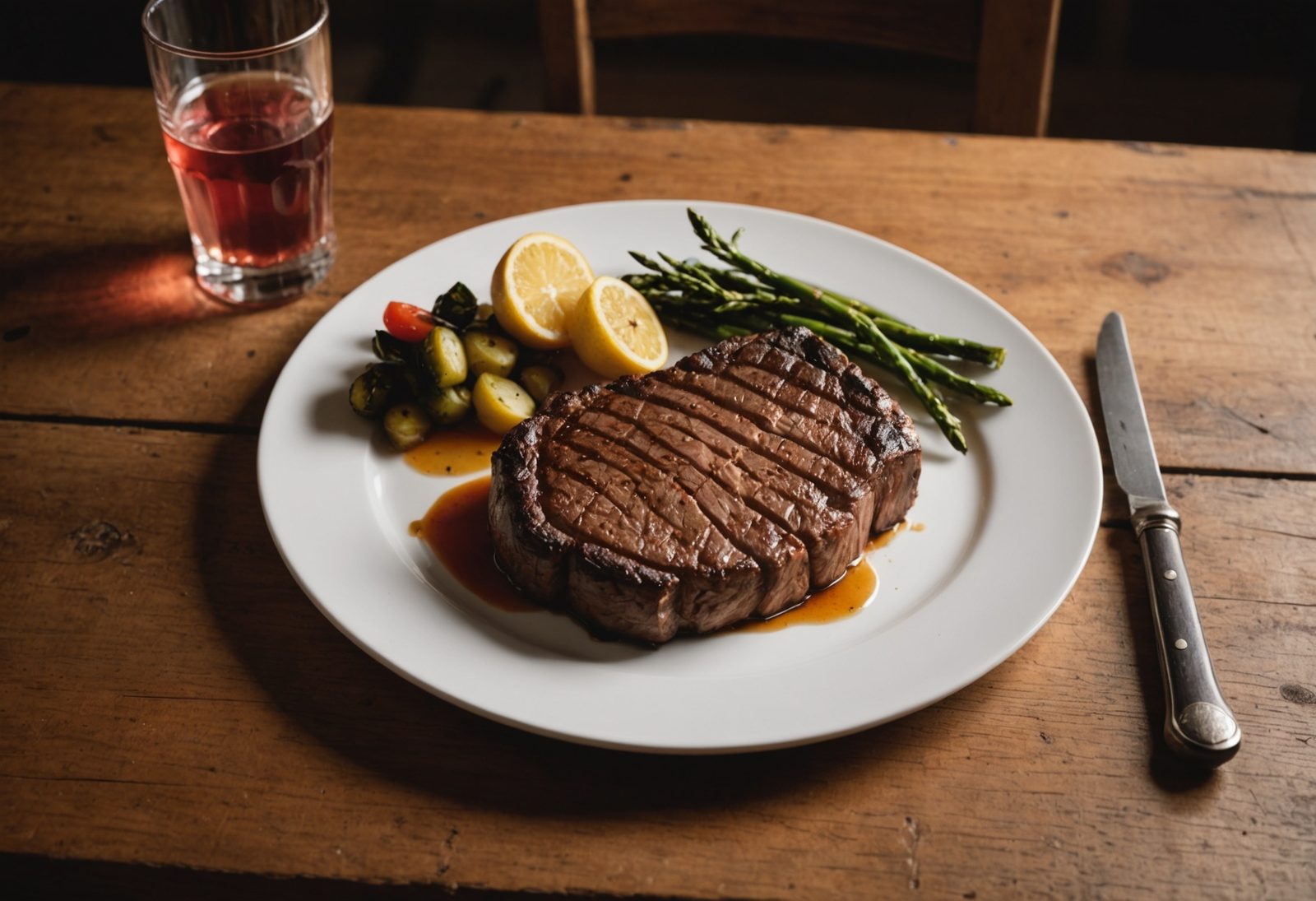
Carving a cooked steak across the grain
Carving is a job for a long, thin slicing knife, not for the steak knives used at the table. One long stroke is what keeps each slice whole, and the steps below set the order.
- Let the steak rest on the board before the first cut. During the rest the juices settle back into the meat, so they stay on the plate rather than running out under the blade.
- Find the direction the muscle fibres run. Those lines are what you cut across, because slices cut that way are tender and short to chew.
- Use the long slicing knife from the set in one unbroken stroke, from heel to tip, to cut thin, even slices. A back-and-forth sawing motion shreds the surface and loses the juices.
- Lay the slices on the warm plate in an overlapping row, and spoon any juices from the board over them.
The steak knives in the set come into play at the table, where a short, sharp edge cuts a single slice cleanly. They are not the tool for the carving itself.
Dicing an onion for a sauté, in order
The chef's knife from the set does this job. Its broad blade holds the onion together while the tip works through it, and even pieces cook at the same rate in the pan, which is the point of the whole job.
-
Hone the edge and dry the board
Hone the chef's knife on a steel if the edge has only rolled over. Dry the board, because a damp surface lets the onion slide under the blade.
-
Halve and peel, keeping the root
Halve the onion through the root and peel it. Make lengthwise cuts with the root left whole, so the layers hold together while you work.
-
Cross-cut into even pieces
Make cross cuts with the blade rocking on the board and the fingers of the other hand curled back. Keep the pieces the same size from one end of the onion to the other.
-
Scrape them off with the flat of the blade
Move the pieces to the warm pan with the flat of the blade, then wipe the knife before it goes back in the block.
Wipe the blade dry before the next task. A wet blade left lying on the board is how a Damascus or plain carbon edge starts to mark, and the edge is what every later step in the recipe depends on.