Storage And Serving: Keeping Kitchen Knives Sharp and Ready
Most of a kitchen knife's life is decided after the meal, when it is washed, dried, stored and set out again. This page walks through each of those steps and gives the reason for each one.
Why most of a knife's life is decided after dinner
A good knife rarely fails while it is cutting. It more often loses its edge, picks up rust or chips at the tip because of what happened to it between meals. The habits around washing and storage matter as much as the price of the set, and this page takes them in the order they happen.
A set that is washed, dried and hung properly will outlast a dearer set that is left wet in a drawer.
The rest of this page follows the order in which a knife meets water, air and the table. Each step names what to do and the reason it matters, so a reader can tell which parts of the routine are essential and which are habit. Five steps cover the ground, and the last of them is the one guests see.
Why the finish on a blade decides how it rusts
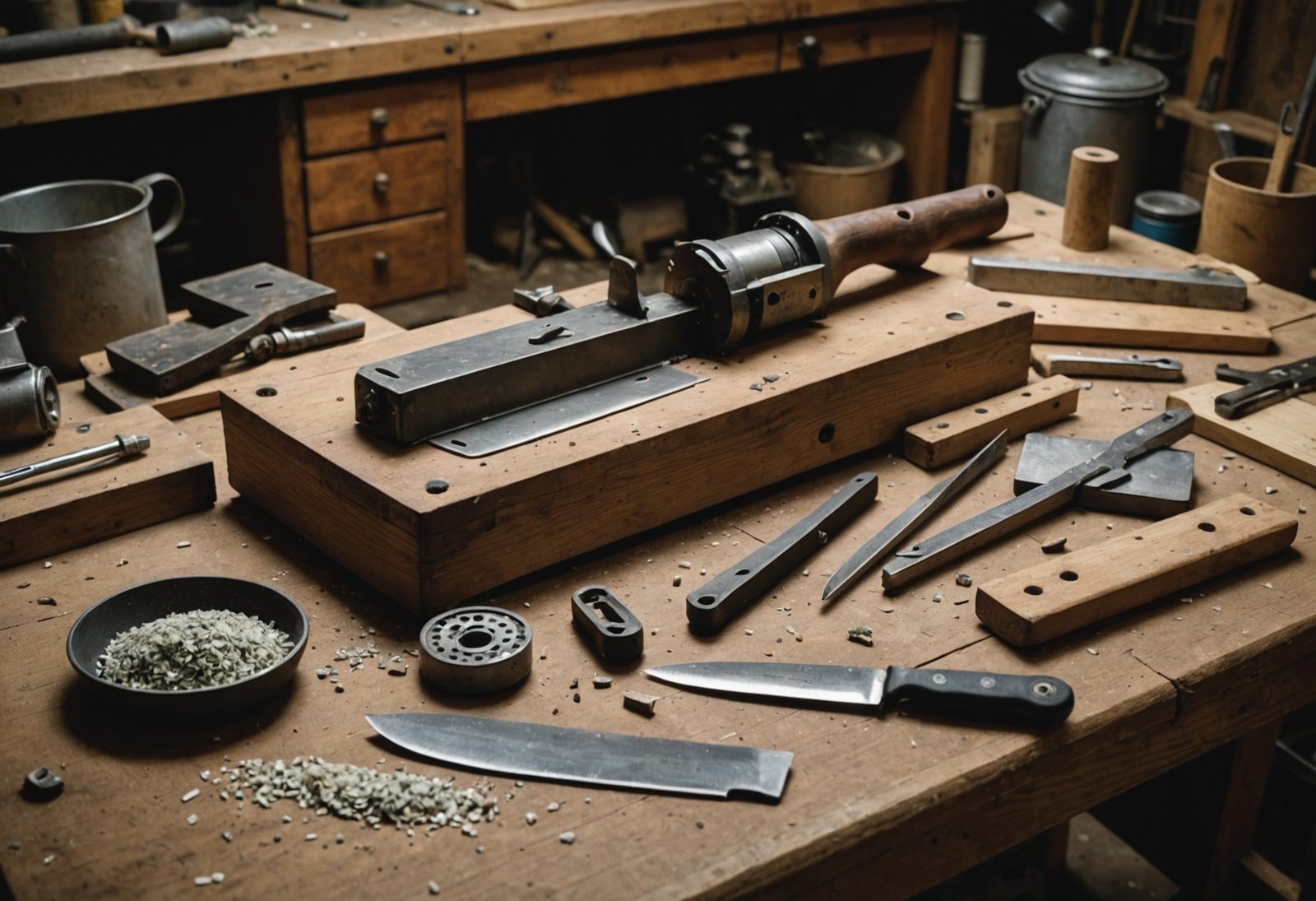
A ground and polished blade is protected by its finish, and that finish is what water and salt attack first. Plain stainless resists this better than high-carbon steel, but neither is immune to standing water. The workshop bench makes the same point: keep the finish dry, and most of the trouble never starts.
Food safety where the knife meets the board
A knife, a board and the hands holding them move between raw meat and ready-to-eat food in any kitchen, at home or in a café. Cleaning the blade between jobs is therefore a food safety step as well as a care step. We keep to the steps regulators publish rather than inventing our own.
A food safety reference for the cutting board
The FDA sets out four steps for preventing foodborne illness: clean, separate, cook and chill. More at FDA Safe Food Handling.
Drying the blade, keeping it off wet surfaces and washing it between jobs also address the wear this page describes, so the same habits serve both purposes.

Next, match the set to how you cook
Once the care routine is clear, choosing a set comes down to a few answers: how you cook, how the knives will be washed and how many people sit at the table. The set helper on the ingredients page works through those answers and prints its reasoning beneath the recommendation. Start there when you are ready to choose.
Five steps from the sink to the table
- Straight after the meal
Wash it by hand while it is still warm
Rinse the blade and wash it from the spine toward the edge, keeping fingers off the cutting side. A dishwasher knocks blades against other metal and loosens wooden handles over time, which is why hand washing is the habit this page recommends.
- Before it leaves the board
Dry each blade at once
Wipe the steel dry and check the heel, where water collects against the handle. Standing water is what starts rust on plain steel and staining on layered steel, so the cloth is part of the routine, not an extra.
- Before it goes away
Store the blades clear of other metal
Hang them on a magnetic bar or set them in a block so that no edge touches another blade or a drawer. Contact with other metal dulls the edge and chips the tip over time.
- Before each meal
Hone the edge on a steel
A few light strokes per side on a honing steel realign the edge between sharpenings, on Damascus and stainless alike. Honing does not remove metal, so it keeps an edge in shape but does not replace sharpening.
- When the table is laid
Lay steak knives with the edge turned inward
Set each knife to the right of the plate with the edge turned toward the plate and the handles matched, so the set reads as one piece. Steak knives are for the plate, not the board, since a hard board wears a thin steak edge down quickly.